ВЛАДИМИР ВЫСОЦКИЙ (VLADIMIR VYSOTSKY)
Бег Иноходца (Corrida do Cavalo de Andadura)
FAIXAS
4.17 / 5
LADO A
LADO B
SOBRE ESTE DISCO
O ÁLBUM
Há algo de quase paradoxal num disco de concerto ao vivo que se tornou a forma principal através da qual milhões de cidadãos soviéticos ouviram música que já cantarolavam há anos. Бег Иноходца — Run Of A Pacer (Corrida do Cavalo de Andadura) — é o nono volume da série На концертах Владимира Высоцкого da Melodiya, uma vasta antologia de gravações de concertos ao vivo editada ao longo do final dos anos 1980, quando a URSS se comprometeu finalmente a documentar oficialmente um dos seus fenómenos culturais mais incómodos. Trata-se de um LP mono a partir de uma gravação de concerto de 1972, que apresenta Vysotsky exactamente como o seu público o conhecia: sozinho, com a sua guitarra de sete cordas, numa sala, a contar histórias. Não há polimento de estúdio, não há orquestração. O som é cru por opção, e essa crueza é precisamente o ponto.
Enquanto formato, os volumes «На концертах» são gravações de bardo no sentido russo mais antigo — poesia com acompanhamento de guitarra, interpretada ao vivo perante públicos reais — mas a versão particular que Vysotsky faz da forma é mais dura, mais teatral e mais comica no seu lado sombrio do que qualquer coisa que a etiqueta do género possa sugerir. A faixa-título, Бег иноходца, é uma alegoria cáustica sobre um cavalo de corrida que galopa de forma diferente da manada e é punido por isso — o tipo de canção que funciona simultaneamente como drama desportivo e parábola política, dependendo inteiramente da atenção com que se ouve. O disco inclui também canções como Разведка боем, Встреча в ресторане, О переселении душ e Сыт я по горло, cada uma delas um conto curto comprimido, alternadamente sardónico, furioso e ternurento. Em conjunto, formam algo próximo de um programa de variedades — Vysotsky transita entre malandros, soldados, filósofos e moscovitas comuns no espaço de um único lado — e as gargalhadas e os aplausos do público, audíveis ao longo de todo o disco, ancoram tudo no momento da actuação. Isto não é uma declaração de estúdio cuidadosamente escolhida; é o documento de uma sala, em 1972, a escutar.
CONTEXTO DO ARTISTA E DA GRAVAÇÃO
Vladimir Vysotsky era actor no Teatro Taganka, em Moscovo, e autor, compositor e intérprete das suas próprias canções — uma posição que existia fora de todas as categorias criativas oficiais soviéticas, o que é precisamente a razão pela qual era difícil de gerir. Não era um dissidente em qualquer sentido formal, não era um escritor de samizdat, não era um emigrado. Era simplesmente demasiado popular e demasiado perspicaz para ser silenciado, e demasiado tecnicamente fora do aparelho musical aprovado pelo Estado para ser facilmente promovido também. As gravações que vieram a constituir a série Na Kontsertakh foram feitas em concertos em apartamentos, espectáculos teatrais e encontros informais ao longo da sua carreira; as sessões aqui captadas datam de 1972, um período em que a sua actividade ao vivo era prolífica e as gravações de concertos a circular em fita magnética (magnitizdat) contavam às centenas. Esta prensagem recorre a фонограммы — gravações de origem — da colecção de M. Kryzhanovskiy, o arquivista cujos acervos em fita estiveram na base de grande parte da antologia oficial da Melodiya.
As interpretações são a solo por natureza: Vysotsky, guitarra, voz. Nenhum produtor em qualquer sentido convencional moldou estas faixas em estúdio; o trabalho editorial residiu na selecção e sequenciação das fitas. A própria Бег иноходца circulara durante muito tempo em suporte de fita antes de 1989, com familiaridade suficiente para que os ouvintes já soubessem a letra antes de o disco a fixar no vinil. Разведка боем («Reconhecimento pelo Fogo») e О переселении душ («Sobre a Transmigração das Almas») — uma meditação sardónica sobre a reencarnação entregue a alta velocidade — revelam a amplitude tonal que Vysotsky dominava num único alinhamento: da sátira militar à comédia negra filosófica, sem qualquer mudança de registo anunciada.
ESTA PRENSAGEM
Esta é a prensagem soviética da Melodiya de Бег иноходца editada em 1989, número de catálogo М60 48943 009, o nono volume da série На концертах Владимира Высоцкого («Nos Concertos de Vladimir Vysotsky») — uma sequência numerada de LPs mono que a Melodiya editou ao longo de vários anos a partir do final dos anos 1980, trazendo finalmente as gravações de concertos de Vysotsky à distribuição soviética oficial em grande escala. A data de gravação indicada na capa é 1972; a própria prensagem saiu de duas fábricas da Melodiya, com variantes documentadas tanto da fábrica de Aprelyevka (Апрелевский) como da de Leninegrado (Ленинградский), com tiragens de 130 000 e 150 000 cópias respectivamente entre variantes — números significativos que reflectem o enorme apetite oficial pelo material assim que o cálculo político se alterou com a glasnost. A configuração do rótulo variava conforme a fábrica de prensagem: variantes de rótulo branco de Aprelyevka e variantes de rótulo vermelho de Leninegrado estão ambas documentadas para este volume. O formato é um LP mono standard a 33 rpm, com o preço de 2 rublos e 50 copeques — o preço de retalho soviético standard para uma edição de longa duração da Melodiya do período.
INTERESSE PARA COLECCIONADORES
Бег иноходца surgiu num ponto de inflexão cultural específico: em 1989, Vysotsky estava morto há nove anos, a sua reabilitação oficial estava em curso, e o Estado normalizava retroactivamente música que anteriormente só fora tolerada nas margens. Este volume, como os outros da série, não foi uma descoberta para os ouvintes soviéticos — as canções já estavam profundamente enraizadas na memória popular através de décadas de circulação em fita — mas a sua edição oficial tinha um peso diferente. Ter um LP da Melodiya de Vysotsky em 1989 significava algo que ter uma cassete pirata não significava: era o Estado a reconhecer finalmente, no formato mais soviético de todos, que esta música pertencia à cultura.
Entre os coleccionadores de hoje, os volumes individuais da série На концертах são mais procurados nas suas prensagens mais antigas, e o volume nove não é excepção. As variantes de rótulo branco de Aprelyevka e as prensagens de rótulo vermelho de Leninegrado são suficientemente distintas para atrair completistas dedicados que percorrem a série inteira. Os grandes números de tiragem significam que os exemplares não são raros para os padrões do vinil soviético, mas o estado de conservação varia acentuadamente — eram discos de consumo vendidos a preços de mercado de massas, tocados no equipamento que houvesse à mão — e exemplares limpos, não tocados, com capas intactas são visivelmente mais difíceis de encontrar do que os números brutos sugerem. Para os coleccionadores focados especificamente na música de bardo da era soviética ou na reabilitação oficial de material anteriormente suprimido, este volume tem um peso particular: a faixa-título é uma das alegorias mais ressoantes de Vysotsky, e tê-la prensada em vinil negro pelo mesmo aparelho estatal que outrora fechou os olhos faz do objecto em si um pequeno fragmento da história cultural soviética.
Destaques das Faixas
- Бег иноходца — Um relato enérgico e percussivo de um cavalo de corrida que se recusa a galopa como os outros, funcionando simultaneamente como narrativa desportiva e alegoria política inequívoca.
- О переселении душ — Uma meditação cómica em rajada sobre a reencarnação, entregue com a velocidade e o ritmo de um monólogo de stand-up.
- Разведка боем — Sátira militar afinada com ambiguidade suficiente para que o alvo não fosse claro para quem não o procurava.
- Сыт я по горло — Um lamento amargo e acumulativo que cresce por repetição até chegar a algo próximo de um grito, com a actuação ao vivo de Vysotsky a conferir-lhe uma urgência física que nenhuma versão de estúdio poderia replicar.
Reparaste nalgum erro ou em algo que precise de correcção? Contacta-me — adorava saber.
PODERÁ TAMBÉM INTERESSAR-TE
Владимир Высоцкий (Vladimir Vysotsky)
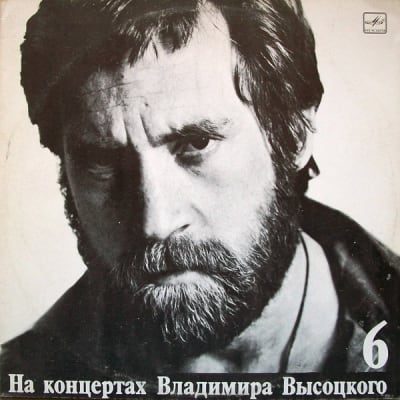
The Wrong Track
Vinyl, LP · USSR · 1988

Владимир Высоцкий (Vladimir Vysotsky)
Songs of Vladimir Vysotsky
Vinyl, 7", 33 ⅓ RPM, Repress · USSR · 1982
Владимир Высоцкий (Vladimir Vysotsky)
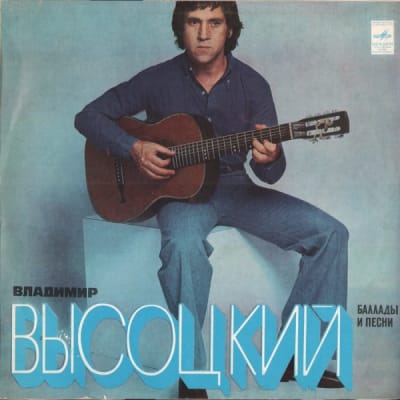
Songs
Vinyl, LP, Album · USSR · 1980

Владимир Высоцкий (Vladimir Vysotsky)
Peace To Your Home
Vinyl, LP, Album · USSR · 1988

Riccardo Fogli
Collezione
Vinyl, LP, Compilation · USSR · 1984
Pupo
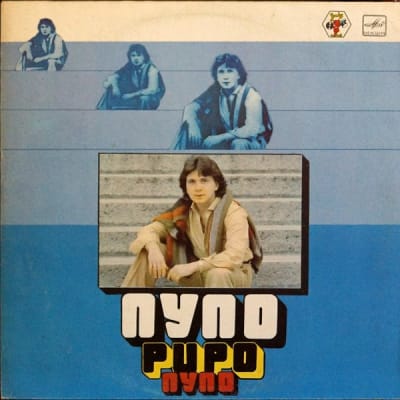
Pupo (Пупо)
Vinyl, LP, Album · USSR · 1985

Ricchi E Poveri
Ricchi e Poveri
Vinyl, LP, Album, Reissue · USSR · 1986
Adriano Celentano
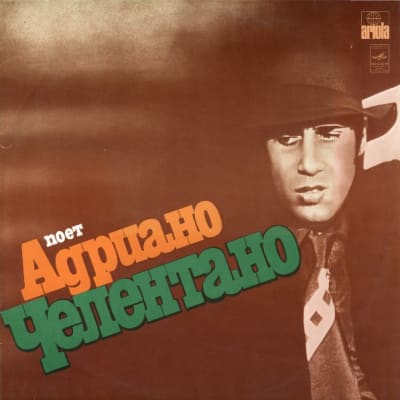
Поет Адриано Челентано (Sings Adriano Celentano)
Vinyl, LP, Album, Repress · USSR · 1987

Mireille Mathieu
Любовь и Жизнь (Love and Life)
Vinyl, LP, Album, Repress · USSR · 1979