Сад (Octopus Garden)
FAIXAS
5.00 / 5
LADO A
LADO B
SOBRE ESTE DISCO
O ÁLBUM
Três canções do repertório tardio dos Beatles chegam aqui num formato que reduz a experiência de escuta ao essencial: um flexi-disc, uma banda num único lado, a agulha pousada e levantada em menos de dez minutos. As faixas — "Octopus's Garden", "Something" e "Come Together" — abrangem a era do Abbey Road, esse período final denso e cuidadosamente trabalhado em que as fracturas internas do grupo estavam a produzir alguns dos seus trabalhos de estúdio mais polidos. "Something", a balada lânguida e carregada de cordas de George Harrison, era já considerada, à data do seu lançamento original, uma das mais belas canções de amor escritas em décadas. "Octopus's Garden", a fantasia subaquática e caprichosa de Ringo Starr, tem um tom mais ligeiro, construída sobre uma figura de piano ondulante e harmonias em camadas. "Come Together", que abria o Abbey Road no LP original, é uma peça pantanosa, comandada pelo baixo, de John Lennon, com um groove cadenciado e letras deliberadamente opacas. Em conjunto, estas três faixas oferecem um corte transversal comprimido mas musicalmente variado do som da banda no seu momento de maior refinamento em estúdio — sofisticação melódica, arranjo interligado e clareza de produção, tudo intacto.
CONTEXTO DO ARTISTA E DA GRAVAÇÃO
Os Beatles gravaram as três faixas nos EMI Studios em Londres, em 1969, durante as sessões que produziram o Abbey Road. George Martin co-produziu com a banda naquilo que foi, na prática, a despedida formal do grupo do estúdio, embora o Let It Be viesse a aparecer mais tarde. "Something" e "Come Together" foram lançadas em outubro de 1969 como single de duplo lado A, atingindo ambas o primeiro lugar nas tabelas norte-americanas. "Octopus's Garden" surgiu no LP do Abbey Road propriamente dito, composta por Ringo Starr com a ajuda informal de George Harrison. As gravações revelaram a banda a trabalhar com uma ambição técnica considerável — "Something" apresenta um arranjo de cordas de Martin, ao passo que "Come Together" foi construída em torno da linha de baixo característica de Paul McCartney e da entrega vocal deliberada, quase ritualista, de Lennon.
ESTA EDIÇÃO
Trata-se de um flexi-disc soviético da Melodiya, editado em 1974, cinco anos após as gravações originais e quatro anos após a dissolução da banda. O número de catálogo Г62—04451-52 insere-o na série Г62 da Melodiya, utilizada para discos de plástico fino e flexível (flexi-discs, ou гибкая пластинка em russo) prensados a 33⅓ RPM e concebidos para distribuição em massa a baixo custo — frequentemente vendidos em quiosques ou inseridos em revistas como a Кругозор ou a Колобок. A lista de faixas aparece ao longo de toda a edição em transliteração russa: "Сад" (Garden) para "Octopus's Garden", "Что-Нибудь" (Something) para "Something", e "Встреча" (Meeting/Encounter) para "Come Together". Tratou-se de uma edição licenciada ou sancionada pelo Estado, emitida sem qualquer coordenação com a EMI ou com os Beatles a título individual, o que era consistente com a prática soviética relativamente à propriedade intelectual ocidental da época. O áudio foi retirado de gravações existentes, mas o suporte fino do flexi significa que a fidelidade sonora é visivelmente comprimida em comparação com uma prensagem em vinil — uma característica inerente ao formato, e não um problema de transferência. Nenhuma arte gráfica original da era do Abbey Road acompanhou esta edição no sentido habitual; os flexi-discs da Melodiya transportavam tipicamente etiquetas de papel impresso com texto em cirílico e o logótipo da Melodiya, sem qualquer imagem associada à edição original.
IMPORTÂNCIA PARA COLECCIONADORES
O material dos Beatles circulava na URSS principalmente por canais não oficiais — bobines de cassete piratas, cópias de bobine para bobine passadas de mão em mão — pelo que uma edição da Melodiya oficialmente sancionada de qualquer faixa dos Beatles tinha um peso invulgar. Este flexi-disc teria sido um dos pouquíssimos pontos de contacto legais que os ouvintes soviéticos tiveram com a música da banda, o que lhe confere significado cultural não por ser raro em termos de produção, mas pelo que representava aceder às gravações dos Beatles através dos canais oficiais do Estado. A data de lançamento de 1974 situa-o num período de moderado e selectivo degelo cultural, quando a Melodiya começava a editar pequenas quantidades de material pop ocidental neste formato de baixo custo.
Para os coleccionadores de hoje, o flexi Г62—04451-52 é procurado pela combinação do seu formato, da sua titulação em cirílico e do absurdo histórico específico que representa: três das canções mais significativas comercial e artisticamente do final dos anos 1960, prensadas em plástico transparente barato e vendidas através das redes de distribuição soviéticas enquanto a banda já estava desfeita há quatro anos. Os flexi-discs são fisicamente frágeis e empenam ou partem com facilidade, o que torna os exemplares bem preservados genuinamente escassos. As traduções cirílicas dos títulos das faixas — em particular "Встреча" como versão de "Come Together" — são em si mesmas um ponto de interesse, reflectindo as escolhas interpretativas que os editores soviéticos fizeram ao localizar títulos ocidentais.
- Сад (Octopus's Garden) — A composição de Ringo Starr ocupa o lugar de destaque, uma posição invulgar que provavelmente reflecte escolhas editoriais soviéticas mais do que qualquer hierarquia comercial.
- Что-Нибудь (Something) — O título russo traduz-se livremente como "Something" ou "Anything", uma versão razoavelmente fiel do título original deliberadamente aberto de Harrison.
- Встреча (Come Together) — "Meeting" ou "Encounter" captam o significado superficial mas perdem o duplo sentido contracultural que Lennon incorporou na expressão.
Reparaste nalgum erro ou em algo que precise de correcção? Contacta-me — adorava saber.
PODERÁ TAMBÉM INTERESSAR-TE

The Beatles
Love Songs
Vinyl, LP, Compilation · Bulgaria · 1982
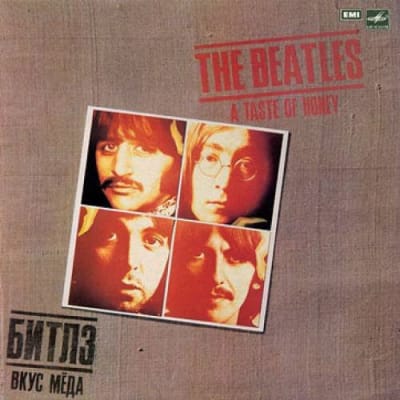
The Beatles
A Taste Of Honey
LP, 12" · USSR · 1986

The Beatles
A Hard Day's Night
Vinyl, LP, Album · USSR · 1986

Riccardo Fogli
Collezione
Vinyl, LP, Compilation · USSR · 1984
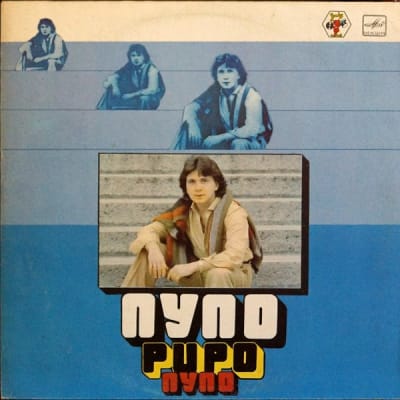
Pupo
Pupo (Пупо)
Vinyl, LP, Album · USSR · 1985

Ricchi E Poveri
Ricchi e Poveri
Vinyl, LP, Album, Reissue · USSR · 1986
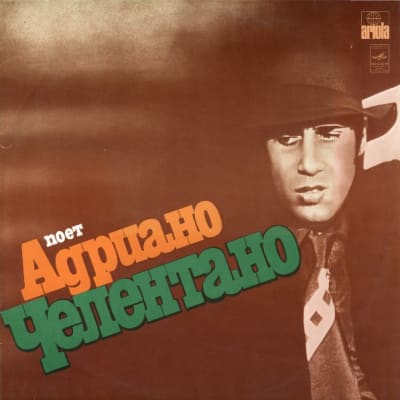
Adriano Celentano
Поет Адриано Челентано (Sings Adriano Celentano)
Vinyl, LP, Album, Repress · USSR · 1987

Mireille Mathieu
Любовь и Жизнь (Love and Life)
Vinyl, LP, Album, Repress · USSR · 1979

Joe Dassin
Люксембургский Сад (Le Jardin du Luxembourg)
Vinyl, LP, Album · USSR · 1979

Alla Pugacheva
Зеркало Души (Zerkalo Dushi)
Vinyl, LP, Album, Repress · USSR · 1978

Abba
Abba
12" · Poland · 1975