Вечер Трудного Дня (A Hard Day's Night)
FAIXAS
4.27 / 5
LADO A
LADO B
SOBRE ESTE DISCO
O ÁLBUM
Doze faixas, trinta minutos, e uma compressão completa do que a composição pop dos inícios dos anos 60 conseguia fazer na sua forma mais concentrada — A Hard Day's Night (Uma Noite Após Um Dia Difícil) (1964) é o único álbum dos Beatles em que todas as canções foram escritas por Lennon e McCartney, e essa unidade de autoria confere-lhe uma consistência interna pouco comum. Foi concebido como a banda sonora do filme homónimo de Richard Lester, embora funcione como um álbum de estúdio a sério em vez de uma colecção de peças incidentais: sete das doze faixas apareceram no filme, enquanto as restantes eram composições originais gravadas durante as mesmas sessões e acrescentadas para completar o LP. O resultado é um disco que funciona através de uma energia nervosa comprimida — o tinido da Rickenbacker de doze cordas, harmonias a duas vozes bem ajustadas, o baterismo estaladiço de Ringo Starr — com quase nenhum elemento de preenchimento e um ritmo que raramente afrouxa. Baladas como "If I Fell" e "And I Love Her" proporcionam contraste sem suavizar o impulso geral do disco. O acorde inicial sozinho — um Fadd9 percutido com força que se tornou num dos momentos mais discutidos da música pop — assinala que algo deliberado e confiante está a acontecer. Para os padrões de 1964, a produção é seca e gravada com microfones próximos, o que confere ao disco uma presença que resiste à escuta repetida. Chegou no momento preciso em que a parceria de composição começava a sentir a pressão dos limites da fórmula pop pura, e a tensão é audível nas mudanças de acorde mais exploratórias e na ambiguidade lírica de faixas como "I'll Be Back."
CONTEXTO DO ARTISTA E DA GRAVAÇÃO
Os Beatles — John Lennon, Paul McCartney, George Harrison e Ringo Starr — gravaram A Hard Day's Night ao longo de sessões nos estúdios Abbey Road da EMI em Londres, entre Janeiro e Junho de 1964, com produção de George Martin. O calendário de gravação foi comprimido e caótico, intercalado com as filmagens, compromissos com a imprensa e uma digressão pelos Estados Unidos. A produção de Martin é aqui visivelmente mais esparsa do que nos trabalhos anteriores — menos eco, arranjos mais concisos — o que coloca as interpretações em maior destaque. A Rickenbacker 360/12 de doze cordas de Harrison, adquirida pouco antes das sessões, define a assinatura sonora do álbum, ouvida de forma mais proeminente na introdução de "A Hard Day's Night" e nas figuras em arpejo de "I Should Have Known Better." Lennon escreveu a faixa-título numa única noite após ouvir o título de trabalho do filme da boca de Starr, e tornou-se no single principal. "And I Love Her" e "Things We Said Today" de McCartney revelam uma arquitectura melódica mais cuidada do que nas suas composições anteriores, enquanto "You Can't Do That" de Lennon pressiona de forma mais intensa a nível rítmico, impulsionada pelo cowbell e por um riff de guitarra directo. A gravação utilizou equipamento de quatro pistas, e as interpretações do conjunto são em grande parte ao vivo no estúdio, com sobreposições mínimas.
ESTA EDIÇÃO
Esta é uma edição soviética da Melodiya, lançada em 1986, com o número de catálogo С60 23579 008. A partir de meados dos anos 80, a Melodiya tinha começado a editar um pequeno número de títulos dos Beatles oficialmente licenciados para o mercado doméstico soviético — uma ruptura significativa face às décadas durante as quais as gravações dos Beatles circularam na URSS exclusivamente em bootlegs, discos de película de raio-X ("bones") e cópias em cassete de rolo. Este LP surgiu durante a era Gorbachev, quando a política cultural estava a afrouxar, e fez parte de uma vaga de lançamentos oficiais dos Beatles que deu aos cidadãos soviéticos acesso legal a gravações que tinham vindo a procurar por canais não oficiais durante mais de vinte anos.
A lista de faixas nesta edição reproduz a configuração original da Parlophone britânica — todas as doze faixas na ordem original — mas os títulos das faixas estão transliterados ou traduzidos para cirílico em toda a extensão, como era prática habitual da Melodiya. "A Hard Day's Night" torna-se Вечер Трудного Дня, "Can't Buy Me Love" torna-se Любовь Не Купишь, e assim por diante. O design da etiqueta e da capa reflecte a estética da casa da Melodiya em vez da arte gráfica original da Parlophone britânica.
RELEVÂNCIA PARA COLECCIONADORES
Quando esta edição apareceu nas lojas de discos soviéticas em 1986, era extraordinária no seu contexto: um álbum dos Beatles oficialmente sancionado em vinil estatal, disponível através da rede de distribuição a retalho padrão da Melodiya. A procura foi imediata e intensa. O público soviético que crescera com cópias bootleg e dubs de cassete degradados estava a ter contacto com este material numa edição oficial pela primeira vez, e o álbum esgotou rapidamente onde quer que aparecesse. O catálogo dos Beatles de meados dos anos 60 tinha um peso particular na URSS porque foi precisamente esta era — o som dos beat groups, a energia cerrada derivada do Merseybeat — que havia circulado de forma mais ampla em cópias não oficiais, o que significa que os ouvintes tinham uma relação anterior forte com este material específico.
Para os coleccionadores de hoje, esta edição é procurada pela sua especificidade histórica: é um documento do momento em que as instituições culturais soviéticas reconheceram formalmente música que tinham passado décadas a suprimir. Os títulos das faixas em cirílico, a qualidade de prensagem da Melodiya e o prefixo de catálogo С60 (a série popular doméstica da Melodiya) tornam-na imediatamente identificável. Os exemplares em bom estado com capas intactas não são comuns, pois os discos foram comprados e tocados intensamente — as edições soviéticas de títulos desejados vendiam depressa e eram usadas a fundo.
- Вечер Трудного Дня (A Hard Day's Night) — O acorde inicial e a figura de doze cordas de Harrison chegam com o mesmo impacto nesta edição, embora a qualidade do vinil da Melodiya signifique que o ruído de superfície é uma variável conhecida.
- Я Вернусь (I'll Be Back) — A estrutura maior/menor alternada de Lennon fecha o álbum numa nota não resolvida que soa distintamente menos segura do que a confiança da abertura do disco.
- Любовь Не Купишь (Can't Buy Me Love) — Uma das faixas mais amplamente conhecidas na URSS através da circulação em bootleg antes deste lançamento oficial.
Reparaste nalgum erro ou em algo que precise de correcção? Contacta-me — adorava saber.
PODERÁ TAMBÉM INTERESSAR-TE

The Beatles
Love Songs
Vinyl, LP, Compilation · Bulgaria · 1982
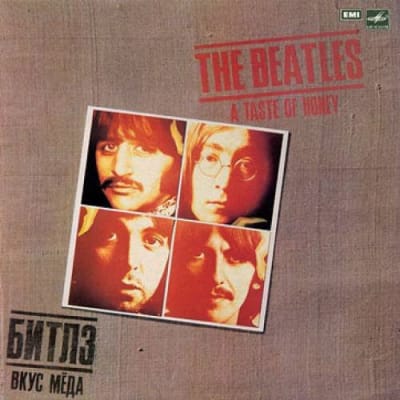
The Beatles
A Taste Of Honey
LP, 12" · USSR · 1986

The Beatles
Octopus Garden
Flexi-disc, 7", 33 ⅓ RPM, Mono · USSR · 1974

Riccardo Fogli
Collezione
Vinyl, LP, Compilation · USSR · 1984
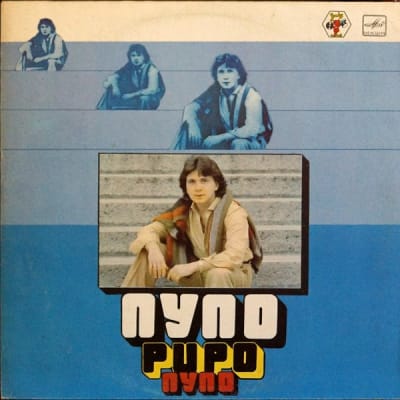
Pupo
Pupo (Пупо)
Vinyl, LP, Album · USSR · 1985

Ricchi E Poveri
Ricchi e Poveri
Vinyl, LP, Album, Reissue · USSR · 1986
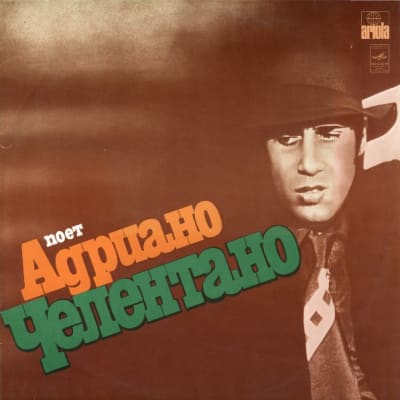
Adriano Celentano
Поет Адриано Челентано (Sings Adriano Celentano)
Vinyl, LP, Album, Repress · USSR · 1987

Mireille Mathieu
Любовь и Жизнь (Love and Life)
Vinyl, LP, Album, Repress · USSR · 1979