Вкус Мёда (A Taste Of Honey)
FAIXAS
3.87 / 5
LADO A
LADO B
SOBRE ESTE DISCO
O ÁLBUM
Dezasseis faixas, a maioria com menos de três minutos — A Taste Of Honey (Sabor de Mel) é uma compilação que vai buscar canções ao início do catálogo dos Beatles, a era dos singles da Parlophone e os três primeiros LPs do Reino Unido. A selecção inclui canções de Please Please Me (1963), With the Beatles (1963) e Beatles for Sale (1964), bem como singles associados, reunindo um conjunto representativo da obra do grupo anterior a Help!, sem reproduzir nenhum álbum na sua sequência original.
O som é cru e imediato: gravações feitas directamente para fita nos estúdios Abbey Road da EMI, em grande parte com sobreposições mínimas, captando o grupo numa altura em que as raízes Merseybeat ainda eram audíveis e as influências do R&B americano estavam à flor da pele. Versões de covers coexistem com originais — "Please Mister Postman", "Rock and Roll Music", "Devil in Her Heart" e "Till There Was You" surgem a par de composições Lennon-McCartney que vão desde a inocência sentimental de "Do You Want to Know a Secret?" ao impulso mais agressivo de "Eight Days a Week". O ambiente é enérgico e por vezes frenético, mas o que mantém coerência na selecção é a demonstração de quanta amplitude musical o grupo comprimiu num período de tempo muito curto.
CONTEXTO DO ARTISTA E DAS GRAVAÇÕES
Os Beatles — John Lennon, Paul McCartney, George Harrison e Ringo Starr — gravaram tudo o que consta nesta lista de faixas entre 1962 e 1964 nos EMI Studios, Abbey Road, Londres, com o produtor George Martin. O papel de Martin nestas sessões foi determinante: moldou a abordagem do grupo em estúdio durante um período em que ainda estavam a construir o seu vocabulário de gravação, e os seus arranjos em faixas como "Till There Was You" (uma montra vocal de McCartney retirada do musical The Music Man, de Meredith Willson) revelam o apetite precoce por uma amplitude estilística.
As influências rhythm-and-blues que moldaram os anos do grupo em Hamburgo e no Cavern Club são mais audíveis em "I Wanna Be Your Man" (cedida aos Stones como single antes de os Beatles gravarem a sua própria versão de contornos mais agressivos, com Starr na voz principal) e em "Rock and Roll Music", uma versão de Chuck Berry que despoja qualquer suavidade pop. "No Reply" e "I Don't Want to Spoil the Party", ambas de Beatles for Sale, mostram Lennon a escrever num modo mais confessional — mais sombrio do que os exuberantes primeiros singles. "Eight Days a Week", originalmente gravada como potencial single antes de ser posta de lado nesse papel e incluída em Beatles for Sale, é uma das primeiras gravações dos Beatles a usar uma abertura em fade-in.
ESTA EDIÇÃO
Trata-se de uma edição soviética de 1986, publicada pela Melodiya com o número de catálogo С60 23581 008. A Melodiya não tinha qualquer relação de licenciamento com a EMI que permitisse edições atempadas ou com pagamento de royalties — o material dos Beatles circulou na URSS durante décadas sobretudo através de gravações clandestinas (magnitizdat) e flexi-discs piratas, antes de a Melodiya começar a publicar compilações oficiais em meados dos anos 1980, um período em que a política cultural sob Gorbachev começava a relaxar.
Esta edição é uma de várias publicações da Melodiya dedicadas aos Beatles nesse período, reunidas sob a forma de compilações em vez de reproduções dos álbuns originais do Reino Unido — o que significa que a lista de faixas aqui reflecte decisões editoriais soviéticas sobre o que incluir, e não qualquer sequência de compilação oficial da Capitol ou da Parlophone. O título A Taste Of Honey toma o nome da terceira faixa do lado A, reutilizando o título de uma canção em vez de reproduzir um lançamento ocidental já existente. A selecção de dezasseis faixas confere ao disco a sensação de uma introdução cuidada, cobrindo o período de 1963–1964 sem replicar integralmente nenhum LP de origem. As edições soviéticas desta época apresentavam habitualmente artwork de capa simplificado e padrões de impressão marcadamente diferentes dos das edições ocidentais; o sistema de numeração de catálogo da Melodiya (o prefixo С60 a indicar um lançamento de música popular a estéreo) era o formato normalizado para edições pop licenciadas e domésticas do período.
RELEVÂNCIA PARA COLECCIONADORES
Quando este disco apareceu em 1986, a procura nas cidades soviéticas foi imediata e intensa. As gravações dos Beatles tinham sido funcionalmente proibidas durante a maior parte da carreira activa do grupo e nas duas décadas seguintes, tornando qualquer edição oficialmente sancionada num acontecimento independentemente da sua lista de faixas. O lançamento teve um peso cultural genuíno precisamente por ser oficial — não uma cópia de fita arranhada ou um flexi clandestino, mas um disco de vinil emitido pelo Estado com música que havia sido suprimida.
Reparaste nalgum erro ou em algo que precise de correcção? Contacta-me — adorava saber.
PODERÁ TAMBÉM INTERESSAR-TE

The Beatles
Love Songs
Vinyl, LP, Compilation · Bulgaria · 1982

The Beatles
A Hard Day's Night
Vinyl, LP, Album · USSR · 1986

The Beatles
Octopus Garden
Flexi-disc, 7", 33 ⅓ RPM, Mono · USSR · 1974

Riccardo Fogli
Collezione
Vinyl, LP, Compilation · USSR · 1984
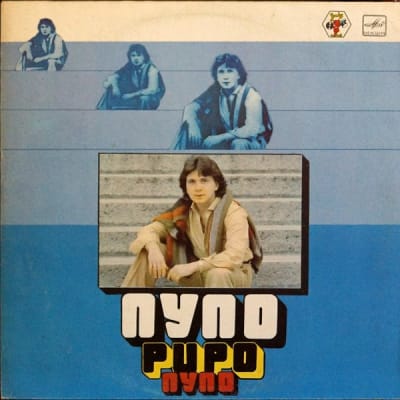
Pupo
Pupo (Пупо)
Vinyl, LP, Album · USSR · 1985

Ricchi E Poveri
Ricchi e Poveri
Vinyl, LP, Album, Reissue · USSR · 1986
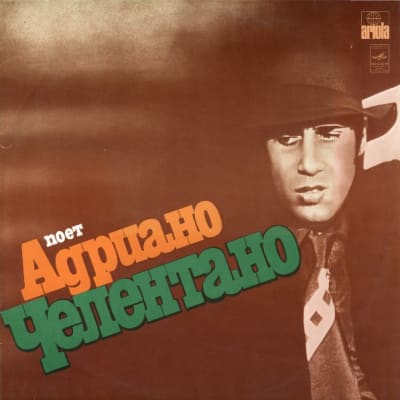
Adriano Celentano
Поет Адриано Челентано (Sings Adriano Celentano)
Vinyl, LP, Album, Repress · USSR · 1987

Mireille Mathieu
Любовь и Жизнь (Love and Life)
Vinyl, LP, Album, Repress · USSR · 1979