ВЛАДИМИР ВЫСОЦКИЙ (VLADIMIR VYSOTSKY)
Песни Владимира Высоцкого (Canciones de Vladímir Vysotsky)
PISTAS
5.00 / 5
CARA A
CARA B
SOBRE ESTE DISCO
EL DISCO
Песни Владимира Высоцкого (Корабли) (Canciones de Vladímir Vysotsky) es un sencillo de 7 pulgadas editado por Melodiya en 1982 — uno de varios lanzamientos oficiales en formato pequeño que introdujeron las canciones de Vysotsky en la circulación sancionada por el Estado tras años de existir únicamente en grabaciones casetes ilegales de magnitizdat. El formato es austero y la música está a la altura: guitarra acústica, una voz de barítono en bruto que oscila entre la ternura y una furia apenas contenida, y letras cargadas de ironía, humor negro y observación social. El lanzamiento Корабли (Ships) toma su nombre de uno de sus temas y agrupa una pequeña selección de su material en un único disco en el formato soviético utilitario de 7 pulgadas. Lo que hacía significativos a lanzamientos como este era la tensión que llevaban consigo: las canciones de Vysotsky habían circulado durante años antes de que ninguna de ellas recibiera sanción oficial, y la distancia entre lo que la gente ya conocía y lo que el Estado estaba dispuesto a prensar en vinilo otorgaba a cada lanzamiento de Melodiya una cualidad cargada de significado. Era música que ya había demostrado que no podía ser suprimida. Un lanzamiento de Melodiya era menos un debut que un reconocimiento formal de ese hecho.
ARTISTA Y CONTEXTO DE GRABACIÓN
Vladimir Vysotsky fue actor en el Teatro Taganka de Moscú y uno de los cantautores de la era soviética más escuchados — un practicante de la tradición de la avtorskaya pesnya (canción de autor) junto a figuras como Bulat Okudzhava y Alexander Galich. Escribía su propio material, lo interpretaba él mismo con guitarra acústica y no hacía ninguna concesión al lustre del estudio. Su voz — áspera, físicamente comprometida, íntima en su carácter conversacional — era el instrumento en torno al cual se construían las canciones. Las baladas del hampa criminal, que beben del folclore blatnaya, conviven con piezas de temática bélica de auténtico peso emocional, y las canciones satíricas presentan una especificidad sobre la vida cotidiana soviética que ninguna cantidad de censura podía neutralizar del todo. Sus grabaciones fueron capturadas en gran medida en entornos informales antes de que se realizaran versiones de estudio oficiales, y muchos de los temas que acabaron apareciendo en Melodiya habían tenido una larga vida previa en grabadoras domésticas por toda la Unión Soviética.
ESTA EDICIÓN
Se trata de una edición soviética doméstica en 7 pulgadas en Melodiya, el monopolio estatal de discos de la URSS y el único sello a través del cual se distribuían los lanzamientos oficiales en vinilo en el país. La relación de Vysotsky con Melodiya fue complicada y muy tardía: a pesar de su enorme alcance popular, los lanzamientos oficiales en vinilo de sus canciones llegaron años después de que su obra hubiera saturado los hogares soviéticos a través del magnitizdat. El sencillo Корабли se editó en 1982, dos años después de su muerte en julio de 1980 — parte de la oleada de lanzamientos póstumos de Melodiya impulsada por el aumento de la demanda que siguió a su fallecimiento. Como otros lanzamientos de Melodiya en pequeño formato del período, apareció con el estilo característicamente utilitario soviético: una edición estándar de 7 pulgadas con un diseño de portada mínimo, frecuentemente en vinilo fino y ligero. La lista de temas refleja una restricción editorial — lo que el Estado estaba dispuesto a hacer circular oficialmente, más que la amplitud total de lo que el público conocía y quería escuchar.
IMPORTANCIA PARA EL COLECCIONISMO
Dentro de la Unión Soviética, cualquier lanzamiento oficial de Vysotsky en Melodiya era un acontecimiento cultural significativo, dado que su material había existido en una zona legal gris durante gran parte de su carrera activa. La demanda superaba sistemáticamente a la oferta y los ejemplares se agotaban con rapidez. Para los coleccionistas de hoy, las ediciones de Melodiya de Vysotsky tienen un valor documental específico: marcan el límite preciso de lo que el Estado soviético estaba dispuesto a sancionar oficialmente, tema por tema. La distancia entre lo que aparece en estos lanzamientos y lo que circulaba en cinta es en sí misma históricamente legible. El sencillo Корабли, editado en 1982 dentro de la serie de lanzamientos oficiales póstumos, ocupa un momento especialmente revelador de esa historia — Melodiya poniéndose al día, con retraso, con un público que nunca había necesitado su permiso.
¿Has visto algún error o algo que deba corregirse? Contáctame — me encantaría saberlo.
TAMBIÉN TE PUEDE GUSTAR
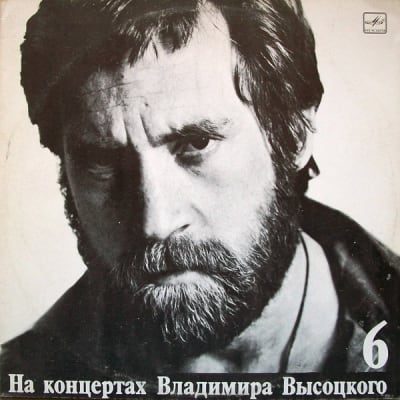
Владимир Высоцкий (Vladimir Vysotsky)
The Wrong Track
Vinyl, LP · USSR · 1988
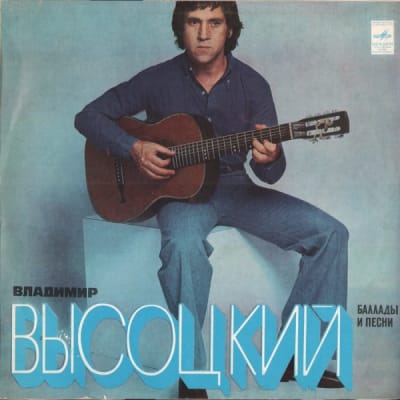
Владимир Высоцкий (Vladimir Vysotsky)
Songs
Vinyl, LP, Album · USSR · 1980

Владимир Высоцкий (Vladimir Vysotsky)
Peace To Your Home
Vinyl, LP, Album · USSR · 1988

Владимир Высоцкий (Vladimir Vysotsky)
Sentimental Boxer
Vinyl, LP, Album · USSR · 1987

Riccardo Fogli
Collezione
Vinyl, LP, Compilation · USSR · 1984
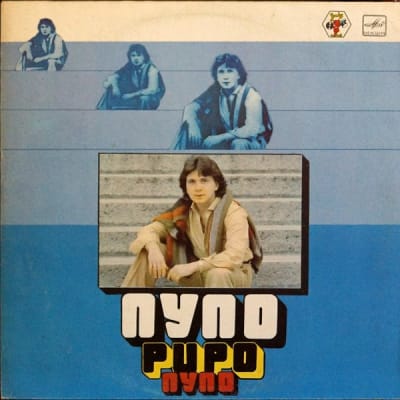
Pupo
Pupo (Пупо)
Vinyl, LP, Album · USSR · 1985

Ricchi E Poveri
Ricchi e Poveri
Vinyl, LP, Album, Reissue · USSR · 1986
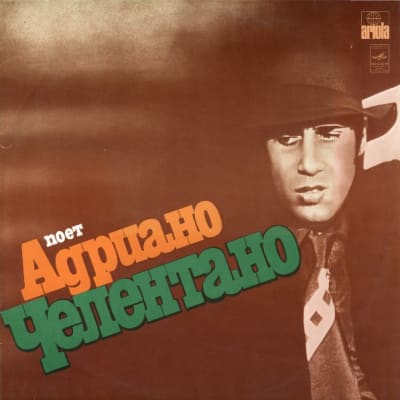
Adriano Celentano
Поет Адриано Челентано (Sings Adriano Celentano)
Vinyl, LP, Album, Repress · USSR · 1987

Mireille Mathieu
Любовь и Жизнь (Love and Life)
Vinyl, LP, Album, Repress · USSR · 1979