ВЛАДИМИР ВЫСОЦКИЙ (VLADIMIR VYSOTSKY)
Песни (Canciones)
PISTAS
4.16 / 5
CARA A
CARA B
Nota del Coleccionista
Vysotsky died in July 1980 having never received a proper Soviet LP — this Melodiya pressing, appearing that same year, was the state finally, posthumously, admitting what millions of citizens already knew by heart.
SOBRE ESTE DISCO
EL ÁLBUM
Hay algo sutilmente radical en un LP soviético que suena como si hubiera sido grabado en la cocina de alguien —no porque fuera tosco, sino porque se sentía verdadero. Песни (Canciones) es una colección de doce canciones de bardo: guitarra acústica, una voz arañada por los cigarrillos y la convicción, y letras que atraviesan la doble moral soviética con la precisión de un cortaplumas. Sin lustre de estudio, sin relleno orquestal. El formato es esencialmente folk confesional, enraizado en la tradición de la avtorskaya pesnya (canción de autor) —un cantante que escribe e interpreta su propio material, sin intermediarios, de la manera en que las lecturas de poesía eran el único espacio seguro para las verdades incómodas.
Lo que hizo significativo al disco no fue ninguna pista por separado, sino el peso acumulado de lo que decía y cómo: la ternura de «Он Не Вернулся Из Боя» (He Didn't Come Back from the Battle), una elegía bélica tan personal que deja casi obsoleto el género del himno patriótico en comparación; el humor absurdista de «Жираф» (Giraffe), que utiliza un animal africano como vehículo para un amargo comentario geopolítico; la engañosamente alegre «Утренняя Гимнастика» (Morning Gymnastics), que convierte una rutina soviética de bienestar en sátira oscura. La cara A se inclina hacia las montañas y la camaradería —las canciones de escalada del Pamir y el Cáucaso—, mientras que la cara B se abre hacia el amor, la filosofía y el resplandor sobrenatural de «Песня О Переселении Душ» (Moving of Souls). Juntas no forman un álbum conceptual en el sentido occidental, sino algo más parecido a un retrato: el debate incesante de un hombre con el mundo en el que vivía.
CONTEXTO DEL ARTISTA Y LA GRABACIÓN
Vladimir Vysotsky escribía e interpretaba casi exclusivamente para sí mismo —sin coautores, sin productores que pulieran el material, sin responsables de A&R de ningún sello. Nacido en Moscú en 1938, se convirtió en la voz definitoria de la cultura underground soviética a lo largo de los años sesenta y setenta, haciendo circular sus canciones casi en su totalidad en cinta magnética a través de la red magnitizdat, copias pasadas de mano en mano sin sanción oficial. Fue también un celebrado actor en el Teatro Taganka y en el cine soviético, pero fueron las canciones las que lo convirtieron en un fenómeno de una envergadura que a las autoridades les resultaba difícil de contener e imposible de suprimir simplemente con arrestos.
Las grabaciones de este LP abarcan distintos momentos de su obra, y toman como punto de partida las canciones de montaña que empezó a escribir en torno a la época del filme de 1966 Вертикаль (Vertical) —que dio a «Песня О Друге» (Song of a Friend), «Прощание С Горами» (Farewell to Mountains) y «Вершина» (A Summit) su contexto público original—, junto con material posterior. «Скалолазка» (A Cliffclamberer) es una de sus piezas más ligeras y juguetonas, una canción de amor disfrazada de metáfora alpina. «Корабли» (Ships), que cierra el disco, tiene el aire de una despedida genuina, y su imaginería de embarcaciones que parten carga con más peso del que la superficie de la letra admite. Vysotsky se acompañaba con una guitarra rusa de siete cuerdas, y las grabaciones preservan esa inmediatez —el ataque de la púa, el aliento antes de un verso, el roce ocasional de una cuerda. No se acredita ningún músico de sesión; la voz y la guitarra son el instrumento en su totalidad.
ESTA EDICIÓN
Vysotsky murió el 25 de julio de 1980, a los 42 años, durante los Juegos Olímpicos de Moscú —un hecho que el Estado soviético intentó gestionar discretamente en un primer momento. Este LP de Melodiya, con número de catálogo С 60—14761-2, apareció ese mismo año: una de las primeras ediciones soviéticas oficiales de su obra en llegar a una audiencia doméstica masiva. Durante la mayor parte de su vida, Melodiya no había publicado un LP de Vysotsky en condiciones; la relación del sello estatal con él estaba complicada por su condición no oficial y el filo subversivo de sus letras. La edición póstuma de Песни no fue, por tanto, una adición rutinaria al catálogo, sino algo más parecido a una recalibración política —un reconocimiento, a través del vinilo, de una realidad cultural cuya existencia el sistema había pasado años fingiendo ignorar.
La edición lleva el prefijo С60, lo que la sitúa en la serie de LP estéreo estándar de Melodiya para la distribución soviética doméstica. Bajo este número de catálogo existen diversas variantes de planta —Discogs documenta al menos una edición con etiqueta roja y otra con etiqueta azul, prensadas en distintas plantas de Melodiya (incluidas las variantes ЛЗГ y РЗГ)—, compartiendo el original de 1980 y las reediciones posteriores hasta mediados de los ochenta el mismo número de catálogo. La carátula emplea una titulación bilingüe —Песни en cirílico junto al romanizado Songs—, que también apareció en una edición de exportación del mismo número de catálogo, lo que sugiere que este título estaba orientado simultáneamente tanto al comprador doméstico como a la distribución en mercados extranjeros.
INTERÉS PARA COLECCIONISTAS
Este álbum llegó en un momento en que la demanda de cualquier cosa que Vysotsky hubiera grabado era prácticamente ilimitada. Se formaban colas a las puertas de las tiendas de música en Moscú cuando aparecían las ediciones de Melodiya con su material, y los ejemplares se agotaban rápidamente —no porque la tirada fuera pequeña para los estándares soviéticos, sino porque el público era vastísimo y llevaba años esperando. La combinación de edición oficial del Estado y el hambre inmediata del público significó que los primeros prensados se arrebataron con rapidez, y muchos ejemplares sufrieron un uso intenso. Encontrar uno en un estado genuinamente bueno es más difícil de lo que los números de tirada por sí solos sugerirían.
Para los coleccionistas de hoy, los prensados originales de 1980 —más que las reediciones de mediados de los ochenta— llevan el peso documental de ese momento biográfico concreto: el disco apareció en las semanas y meses posteriores a la muerte de Vysotsky, cuando los guardianes culturales soviéticos reconocían formalmente por primera vez lo que millones de ciudadanos siempre habían sabido. La edición de exportación con el texto de la carátula romanizado es objeto de búsqueda por separado. Entre las variantes domésticas, las diferencias entre la etiqueta roja y la azul según la planta de prensado atraen la atención de los especialistas en vinilo soviético, para quienes la matriz de la planta de prensado es tan legible como una fecha estampada. Como la primera declaración oficial importante sobre una obra que había circulado de manera underground durante dos décadas, Песни ocupa una posición específica e irrepetible en ese catálogo.
Pistas destacadas
- Он Не Вернулся Из Боя (He Didn't Come Back from the Battle) — Una de las canciones antibélicas más devastadoras de la lengua rusa, articulada en su totalidad en torno a la ausencia de un soldado y narrada sin propaganda alguna, solo con dolor.
- Жираф (Giraffe) — Una historia disparatada sobre un animal exótico que funciona como agudo comentario sobre el aislacionismo soviético y el coste de saber demasiado sobre el mundo exterior.
- Песня О Переселении Душ (Moving of Souls) — Vysotsky en su faceta más filosóficamente juguetona, convirtiendo la reencarnación budista en una fábula moral de comicidad oscura.
- Утренняя Гимнастика (Morning Gymnastics) — Viva, casi alegre en su interpretación, con letras que emplean el lenguaje de la cultura sanitaria soviética con un efecto satírico sutilmente devastador.
- Корабли (Ships) — La pista de cierre, tranquilamente elegíaca, con sus embarcaciones que parten cargadas con la sensación de que algo termina —de manera insoportable a la luz del momento en que apareció esta edición.
¿Has visto algún error o algo que deba corregirse? Contáctame — me encantaría saberlo.
TAMBIÉN TE PUEDE GUSTAR
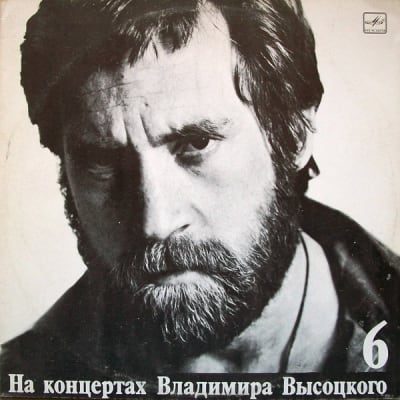
Владимир Высоцкий (Vladimir Vysotsky)
The Wrong Track
Vinyl, LP · USSR · 1988

Владимир Высоцкий (Vladimir Vysotsky)
Songs of Vladimir Vysotsky
Vinyl, 7", 33 ⅓ RPM, Repress · USSR · 1982

Владимир Высоцкий (Vladimir Vysotsky)
Peace To Your Home
Vinyl, LP, Album · USSR · 1988
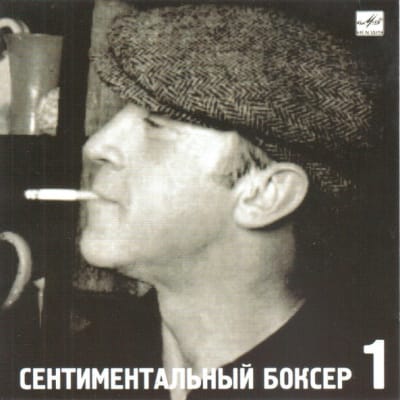
Владимир Высоцкий (Vladimir Vysotsky)
Sentimental Boxer
Vinyl, LP, Album · USSR · 1987

Riccardo Fogli
Collezione
Vinyl, LP, Compilation · USSR · 1984
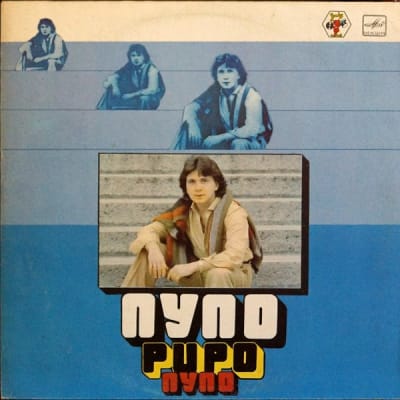
Pupo
Pupo (Пупо)
Vinyl, LP, Album · USSR · 1985

Ricchi E Poveri
Ricchi e Poveri
Vinyl, LP, Album, Reissue · USSR · 1986
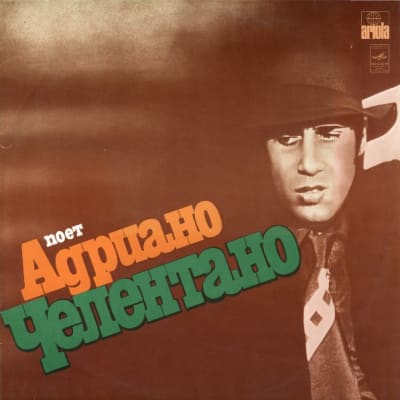
Adriano Celentano
Поет Адриано Челентано (Sings Adriano Celentano)
Vinyl, LP, Album, Repress · USSR · 1987

Mireille Mathieu
Любовь и Жизнь (Love and Life)
Vinyl, LP, Album, Repress · USSR · 1979

Joe Dassin
Люксембургский Сад (Le Jardin du Luxembourg)
Vinyl, LP, Album · USSR · 1979

Amanda Lear
Поет Аманда Лир (Sings Amanda Lear)
Vinyl, LP, Reissue · USSR · 1981