Ансамбль "Смоуки" (Smokie)
TRACKLIST
4.00 / 5
SIDE A
SIDE B
ABOUT THIS RECORD
THE ALBUM
This Melodiya release is the Soviet edition of Smokie's Greatest Hits, repackaged for domestic audiences rather than issued as a direct equivalent of the Western pressing. Smokie's sound sits squarely in the mid-1970s sweet spot between glam pop and soft rock: heavily produced, hook-driven songs built on crunchy rhythm guitar, close harmonies, and an almost confectionery melodic sensibility. The songs are immediate without being disposable, and the production — crisp, radio-ready, with layered vocals sitting high in the mix — gave the music a clarity that translated well to the Soviet pressing plant's output. The material draws from the band's peak commercial period of 1975–1978, when they produced a string of UK chart entries combining romantic themes with an unpretentious, working-class directness. The appeal was broad: this was not art rock or experimental music, but expertly crafted mainstream pop with genuine emotional pull.
ARTIST & RECORDING CONTEXT
Smokie formed in Bradford, England, and came to international prominence through their working relationship with the songwriting and production team of Nicky Chinn and Mike Chapman, who shaped the commercial sound of British glam-era pop throughout the 1970s. Chinn and Chapman wrote and produced the bulk of Smokie's most recognizable material, imposing a tight, radio-optimized structure on the band's recordings. Chris Norman's lead vocal — slightly husky, intimate in register — gave the group a warmer texture than many of their chart contemporaries. Songs like If You Think You Know How to Love Me and Living Next Door to Alice exemplify the template: a clean guitar riff, a lyric built around a simple romantic situation, and a chorus engineered for immediate recall. Session discipline was high; these were professional studio recordings made with commercial precision rather than live spontaneity.
THIS PRESSING
This is a Soviet Melodiya pressing issued under the transliterated title Ансамбль "Смоуки" — a format Melodiya used frequently for Western pop acts, packaging the artist name itself as the primary label identifier for Soviet consumers unfamiliar with foreign catalogue structures. Melodiya obtained the rights to release Smokie material through the standard Soviet licensing arrangements of the period, whereby Western recordings were selected, compiled, and repackaged for the domestic market. While the tracklist originates from the Western Greatest Hits release, the Soviet edition was configured and presented according to Melodiya's own editorial conventions rather than replicating the Western pressing in full. Artwork and sleeve design follow Melodiya's in-house approach — typically spare, with Cyrillic text and modest graphic design — rather than reflecting the original UK sleeve imagery. The pressing was manufactured for the Soviet domestic market.
COLLECTOR SIGNIFICANCE
Smokie had genuine and widespread popularity in the Soviet Union and across Eastern Bloc countries, where their melodic, harmonically accessible sound found a receptive audience with limited access to Western radio. Melodiya pressings of Western pop acts circulated through state retail networks and were among the more obtainable legal routes to Western music for Soviet listeners — meaning this record reached a mass domestic audience rather than remaining underground or scarce at the time of release. For collectors today, Soviet Melodiya pressings of Western artists occupy a specific niche: they are physical documents of Cold War-era cultural exchange, issued through a state apparatus that was simultaneously gatekeeping and distributing Western pop. This Smokie pressing is sought for its Cyrillic presentation, its status as an officially sanctioned Soviet artifact of a British pop act, and the particular way Melodiya configured the Greatest Hits material — a presentation that does not exist in any Western edition.
Spotted an error or something that needs correcting? Get in touch — I'd love to know.
YOU MIGHT ALSO LIKE

Smokie
Я Живу По Соседству С Алисой (Living Next Door To Alice)
Flexi-disc, 7", 33 ⅓ RPM · USSR · 1981

Riccardo Fogli
Collezione
Vinyl, LP, Compilation · USSR · 1984
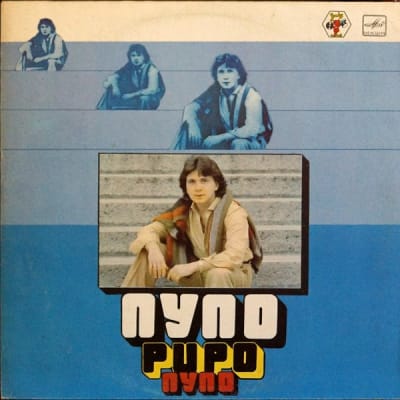
Pupo
Pupo (Пупо)
Vinyl, LP, Album · USSR · 1985

Ricchi E Poveri
Ricchi e Poveri
Vinyl, LP, Album, Reissue · USSR · 1986

Adriano Celentano
Поет Адриано Челентано (Sings Adriano Celentano)
Vinyl, LP, Album, Repress · USSR · 1987

Mireille Mathieu
Любовь и Жизнь (Love and Life)
Vinyl, LP, Album, Repress · USSR · 1979