Tiz
FAIXAS
4.23 / 5
LADO A
LADO B
SOBRE ESTE DISCO
THE ALBUM
Tiz — meaning "Ten" in Hungarian — arrived in 1980 as a career retrospective marking a decade of Kati Kovács as one of the defining voices in Hungarian popular music. Released on Pepita, the state label that controlled virtually all domestic commercial recording output, the compilation drew from her recordings across the 1970s, a period during which she had moved from beat-inflected pop into a more mature, soul-adjacent sound that consistently outpaced her peers in ambition. Kovács had long occupied an unusual position in the Hungarian market: genuinely popular with mass audiences while retaining credibility among listeners who cared about craft. Tiz gave both camps a single entry point.
ARTISTIC CONTEXT
Kovács built her reputation on a voice that carried real emotional weight without theatrical excess — a rarity in the Eastern Bloc pop landscape, where production often flattened performers into interchangeable product. The recordings collected here draw on the work of key figures in the Hungarian studio world of the era, with arrangements that blend Western pop and funk influences against the particular sonic signature of Pepita productions: slightly dry, close-miked, with rhythm sections that punch harder than the production budgets might suggest. What sets Kovács apart across these tracks is phrasing — she treats melody as negotiable in a way that most of her contemporaries did not.
COLLECTOR SIGNIFICANCE
Kovács remains the most internationally recognisable name from the golden era of Hungarian pop, and original Pepita pressings of her material attract consistent interest from collectors of Eastern European vinyl. Tiz is particularly useful as a single-disc overview, making it a logical first acquisition for those new to her catalogue and a gap-filler for more serious collectors. Pepita pressings from this period are generally well-manufactured, and copies in strong condition are not as common in Western markets as their domestic ubiquity might suggest.
TRACK HIGHLIGHTS
- "Én Sohasem Búcsúzom" — The opening track sets the tone for the whole compilation: unhurried, controlled, with Kovács holding back just enough to make the emotional payoff land on her terms rather than the arrangement's.
- "Kérdés Önmagamhoz" — At over five minutes, the longest track here, and the one that best demonstrates her comfort with open space. The arrangement gives her room, and she uses it.
- "Gőzmozdony" — A kinetic closer that leans into the funk-influenced side of the Hungarian studio sound, with a rhythm section that drives hard beneath a vocal performance that never loses its composure.
Reparaste nalgum erro ou em algo que precise de correcção? Contacta-me — adorava saber.
PODERÁ TAMBÉM INTERESSAR-TE
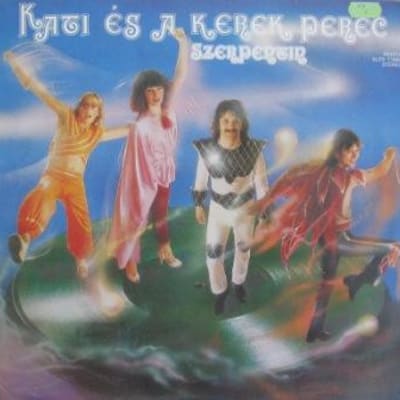
Kati Es A Kerek Perec
Szerpentin
Vinyl, LP, Album · Hungary · 1982

Bergendy
Aranyalbum
Vinyl, LP, Compilation · Hungary · 1981
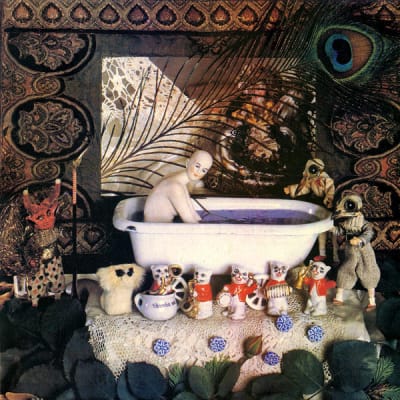
Sexepil
Love Jealousy Hate
Vinyl, LP, Album · Hungary · 1991

Riccardo Fogli
Collezione
Vinyl, LP, Compilation · USSR · 1984
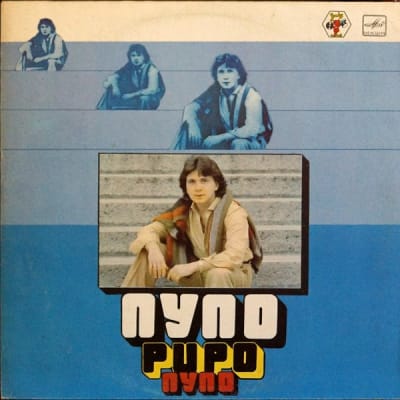
Pupo
Pupo (Пупо)
Vinyl, LP, Album · USSR · 1985

Gianni Morandi
La Mia Nemica Amatissima
Vinyl, LP, Album · USSR · 1984