Городской Бродяга (Honky Cat)
FAIXAS
3.78 / 5
LADO A
LADO B
SOBRE ESTE DISCO
O ÁLBUM PRIMEIRO
"Honky Cat" (Honky Cat) começou por existir como single e não como álbum em si — a faixa foi retirada de Honky Château, editado em Maio de 1972 pela DJM Records no Reino Unido e pela Uni Records nos EUA, um álbum que marcou um ponto de viragem na carreira de Elton John: gravado no Château d'Hérouville nos arredores de Paris, foi o primeiro a contar com a sua formação de longa duração, com Davey Johnstone na guitarra, e valeu a John o seu primeiro álbum número um nos EUA. O single de "Honky Cat" alcançou o número cinco nos EUA e o número nove no Reino Unido. Quando a Melodiya chegou a prensá-lo para o público soviético, a música já tinha uma década — o que, dadas as circunstâncias em que o rock ocidental chegava à URSS, era absolutamente normal.
CONTEXTO ARTÍSTICO
As sessões de Honky Château foram produzidas por Gus Dudgeon, com arranjos de Paul Buckmaster e letras escritas ao longo de todo o álbum por Bernie Taupin. O disco bebeu do boogie com influências de Nova Orleães, do blues-rock e do pop assente no piano — um som mais quente e descontraído do que a grandiosidade orquestrada de Tumbleweed Connection ou Madman Across the Water. "Honky Cat" abre com um riff de piano gaguejante e pantanoso e mergulha fundo num groove de boogie que o tornou imediatamente numa referência radiofónica. "Rocket Man", também deste período, surgiu no álbum seguinte Don't Shoot Me I'm Only the Piano Player, sublinhando o quanto Elton John dominou comercialmente o panorama do início a meados dos anos 70.
ESTA PRENSAGEM
Esta edição fazia parte da série Rock Archive (Архив рок-музыки) da Melodiya, uma iniciativa através da qual a editora estatal soviética lançou prensagens licenciadas ou autorizadas de determinados artistas de rock ocidentais para consumo interno durante os anos 80. A série deu aos ouvintes soviéticos acesso legítimo a música que até então circulara apenas através de cópias em cassete de mercado paralelo e bootlegs passados de mão em mão. A tradução do título — Городской Бродяга, aproximadamente "Vagabundo da Cidade" ou "Errante Urbano" — era uma prática corrente da Melodiya, que vertia títulos estrangeiros para russo para o público soviético, eliminando o calão americano do original. A expressão "Honky Cat" tem um peso vernáculo específico que simplesmente não sobrevive à tradução directa, pelo que o título russo cria efectivamente uma identidade paralela para o disco.
IMPORTÂNCIA PARA COLECCIONADORES
As prensagens soviéticas da Melodiya de artistas ocidentais ocupam um nicho específico e bem definido entre os coleccionadores. Não são procuradas pela fidelidade sonora — as prensagens da Melodiya são notoriamente inconsistentes em termos de qualidade — mas pelo que documentam: a chegada selectiva e mediada pelo Estado da música popular ocidental à URSS. Elton John foi um dos poucos artistas de pop e rock ocidentais a receber este tratamento, o que por si só diz algo sobre a forma como os guardiões culturais soviéticos percepcionavam a sua música: popular o suficiente para satisfazer a procura, não suficientemente ameaçadora para ser recusada. O título em cirílico, a chancela Rock Archive e o contexto mais amplo do que significava para um adolescente soviético possuir este disco legalmente, em vez de o ter obtido através de uma cassete copiada — são estas as coisas que lhe conferem um peso que transcende a própria música. Para os coleccionadores focados em prensagens da Europa de Leste, no licenciamento de rock da era soviética, ou na história cultural da viagem da música ocidental para Oriente, este é tanto um documento como um disco.
Reparaste nalgum erro ou em algo que precise de correcção? Contacta-me — adorava saber.
PODERÁ TAMBÉM INTERESSAR-TE

Riccardo Fogli
Collezione
Vinyl, LP, Compilation · USSR · 1984
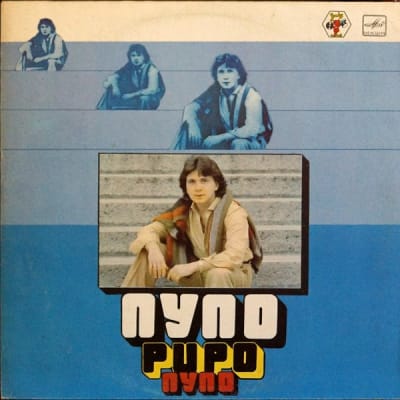
Pupo
Pupo (Пупо)
Vinyl, LP, Album · USSR · 1985

Ricchi E Poveri
Ricchi e Poveri
Vinyl, LP, Album, Reissue · USSR · 1986
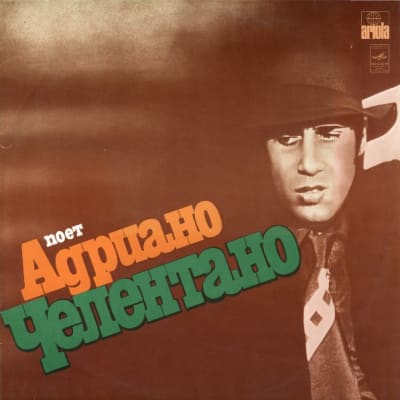
Adriano Celentano
Поет Адриано Челентано (Sings Adriano Celentano)
Vinyl, LP, Album, Repress · USSR · 1987

Mireille Mathieu
Любовь и Жизнь (Love and Life)
Vinyl, LP, Album, Repress · USSR · 1979