Aranyalbum
PISTAS
3.78 / 5
CARA A
CARA B
SOBRE ESTE DISCO
THE ALBUM
Aranyalbum ("Golden Album") was released in 1981 on Pepita, the pop and rock imprint of Hungary's state-owned Hungaroton label, and is a retrospective compilation drawing from Bergendy's recorded output across the preceding decades. As the title signals, it functions as a greatest-hits collection rather than a body of new work — a curated overview of the band's most enduring material presented on a single vinyl release. The record spans a range of styles that moved through Hungarian beat, light pop, and orchestrated dance music, reflecting the stylistic range the group covered across their active years. Pepita compilations of this kind carried institutional weight in the Hungarian market: they were typically issued in response to demonstrated popularity and served as the primary format through which state-distributed music reached a mass domestic audience.
ARTIST & RECORDING CONTEXT
Bergendy were one of Hungary's longest-running and most versatile ensembles, formed in the early 1960s and capable of operating across beat, jazz-inflected pop, and dance-band idioms. The group was led by István Bergendy, whose name the band carried, and they built a substantial following through television appearances and live performance as much as through records. As a compilation, Aranyalbum draws from sessions recorded across multiple years and likely multiple studio configurations rather than representing a single coherent recording project. Without a confirmed tracklist, specific session details and collaborator credits cannot be verified here.
COLLECTOR SIGNIFICANCE
Pepita pressings from this period circulate steadily among collectors of Eastern Bloc pop and beat, and Hungarian vinyl from the Hungaroton/Pepita catalogue is generally well-regarded for pressing quality relative to other Warsaw Pact releases. A Bergendy compilation issued under the Aranyalbum title represents a document of state-sanctioned popular music at a moment when Pepita was actively consolidating its catalogue, making it of interest to collectors focused on Hungarian popular music history as well as those building broader Eastern European beat and pop archives.
¿Has visto algún error o algo que deba corregirse? Contáctame — me encantaría saberlo.
TAMBIÉN TE PUEDE GUSTAR
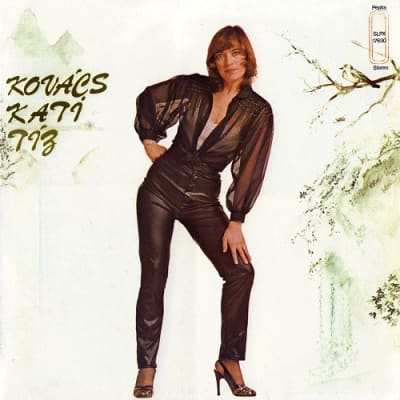
Kati Kovacs
Tiz
Vinyl, LP, Album · Hungary · 1980
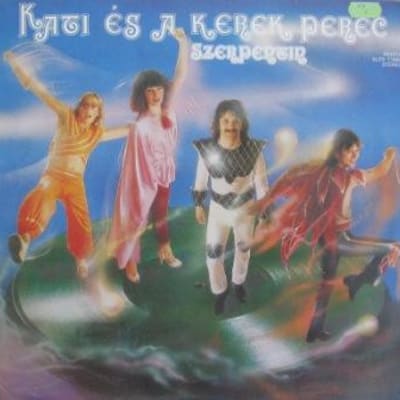
Kati Es A Kerek Perec
Szerpentin
Vinyl, LP, Album · Hungary · 1982
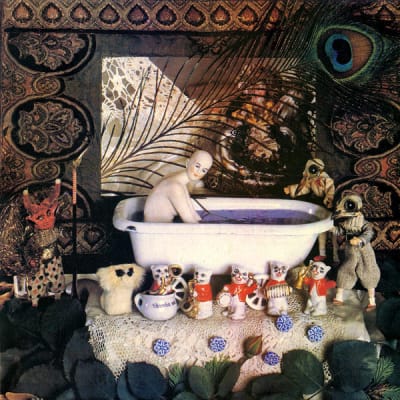
Sexepil
Love Jealousy Hate
Vinyl, LP, Album · Hungary · 1991

Riccardo Fogli
Collezione
Vinyl, LP, Compilation · USSR · 1984
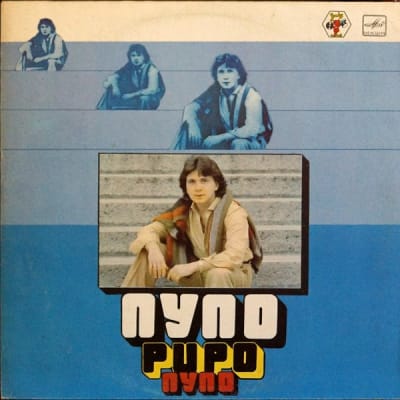
Pupo
Pupo (Пупо)
Vinyl, LP, Album · USSR · 1985

Ricchi E Poveri
Ricchi e Poveri
Vinyl, LP, Album, Reissue · USSR · 1986