Зеркало Души (Zerkalo Dushi)
PISTAS
4.10 / 5
CARA A
CARA B
SOBRE ESTE DISCO
THE ALBUM
Zerkalo Dushi arrived in 1977 as a double album on Melodiya, a format rarely granted to Soviet pop artists and one that signalled the label's recognition of Pugacheva's commercial weight following her breakout at the Sopot International Song Festival in 1974 and the domestic phenomenon of Арлекино (Harlequin). The original two-record set gave the release an unusual scope for Soviet popular music of the period — a broad canvas that moved between dramatic balladry, theatrical pop, and the kind of emotionally direct songwriting that had made Pugacheva the most talked-about voice in the USSR. Its reception was immediate and substantial, with demand at state record shops far outpacing supply, as was chronic with Melodiya pressings of high-profile releases throughout the 1970s.
ARTISTIC CONTEXT
Pugacheva's working relationship with composer and arranger Александр Зацепин (Alexander Zatsepin) was central to the sound of this period, and his fingerprints are audible across much of the material — melodically ambitious, orchestrated with a density that gave the recordings a cinematic quality unusual in Soviet pop production. The album drew on material Pugacheva had developed through her work in film, and several tracks carried that dramatic arc into a live-studio performance style that was direct and unguarded in a way that Soviet pop radio rarely allowed. Her voice throughout is deployed with deliberate range — not simply as an instrument of sentiment but as something performative and sometimes abrasive, which was precisely what divided critics and secured her audience.
THIS PRESSING
This edition is a repress of the 1977 original, issued by Melodiya and manufactured in the USSR, but presented here as a single LP rather than the original double album — a selection drawn from the full two-record release. Single-disc reprints of double albums were a routine Melodiya practice, used to extend the catalogue life of popular titles while managing the material costs and pressing plant capacity that made full double-LP runs difficult to sustain. The catalogue number and label variant will indicate which generation of pressing this is and from which Melodiya pressing plant it originates — details worth checking against the matrix etchings.
COLLECTOR SIGNIFICANCE
The abridged single-LP repress format makes this a different object from the original 1977 double album, and collectors working to complete a picture of how Pugacheva's catalogue was distributed and edited through Soviet-era repressings will find it genuinely relevant. The selection of tracks included — what was kept and what was dropped — is itself a document of how Melodiya curated her catalogue for continued mass circulation. For those specifically after the full original sequence, this is not a substitute; but as a pressing in its own right, with its own tracklist configuration, it occupies a distinct place in the release history of one of the most documented artists in the Melodiya catalogue.
¿Has visto algún error o algo que deba corregirse? Contáctame — me encantaría saberlo.
TAMBIÉN TE PUEDE GUSTAR
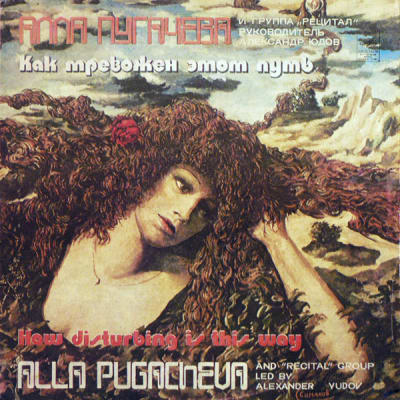
Alla Pugacheva
Как Тревожен Этот Путь (How Disturbing Is This Way)
Vinyl, LP, Album · USSR · 1982
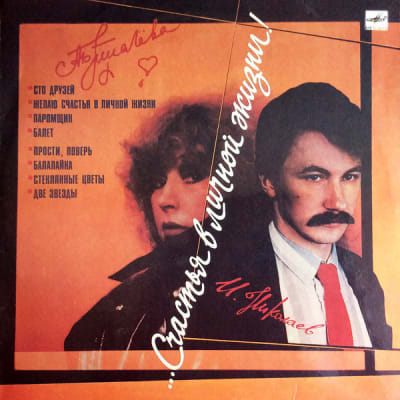
Alla Pugacheva
...Счастья в личной жизни! (...And Happiness In Private Life)
Vinyl, LP, Album · USSR · 1986
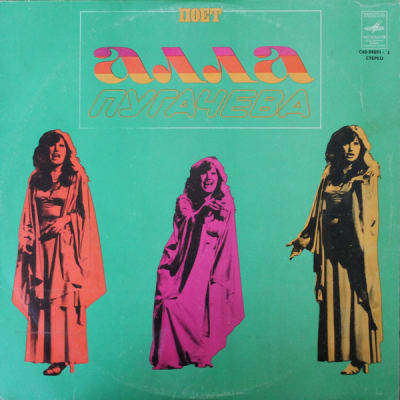
Alla Pugacheva
Поет Алла Пугачева (Sings Alla Pugacheva)
Vinyl, LP, Album, Reissue · USSR · 1980

Riccardo Fogli
Collezione
Vinyl, LP, Compilation · USSR · 1984
Pupo
Pupo (Пупо)
Vinyl, LP, Album · USSR · 1985

Ricchi E Poveri
Ricchi e Poveri
Vinyl, LP, Album, Reissue · USSR · 1986
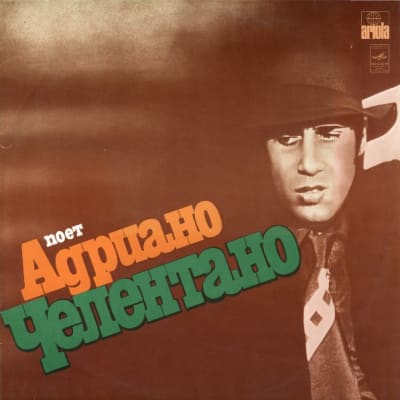
Adriano Celentano
Поет Адриано Челентано (Sings Adriano Celentano)
Vinyl, LP, Album, Repress · USSR · 1987

Mireille Mathieu
Любовь и Жизнь (Love and Life)
Vinyl, LP, Album, Repress · USSR · 1979

Joe Dassin
Люксембургский Сад (Le Jardin du Luxembourg)
Vinyl, LP, Album · USSR · 1979

Amanda Lear
Поет Аманда Лир (Sings Amanda Lear)
Vinyl, LP, Reissue · USSR · 1981

Various
Italo-Hits (Лучшие Итальянские Песни 1982 Года)
Vinyl, LP, Compilation · USSR · 1982